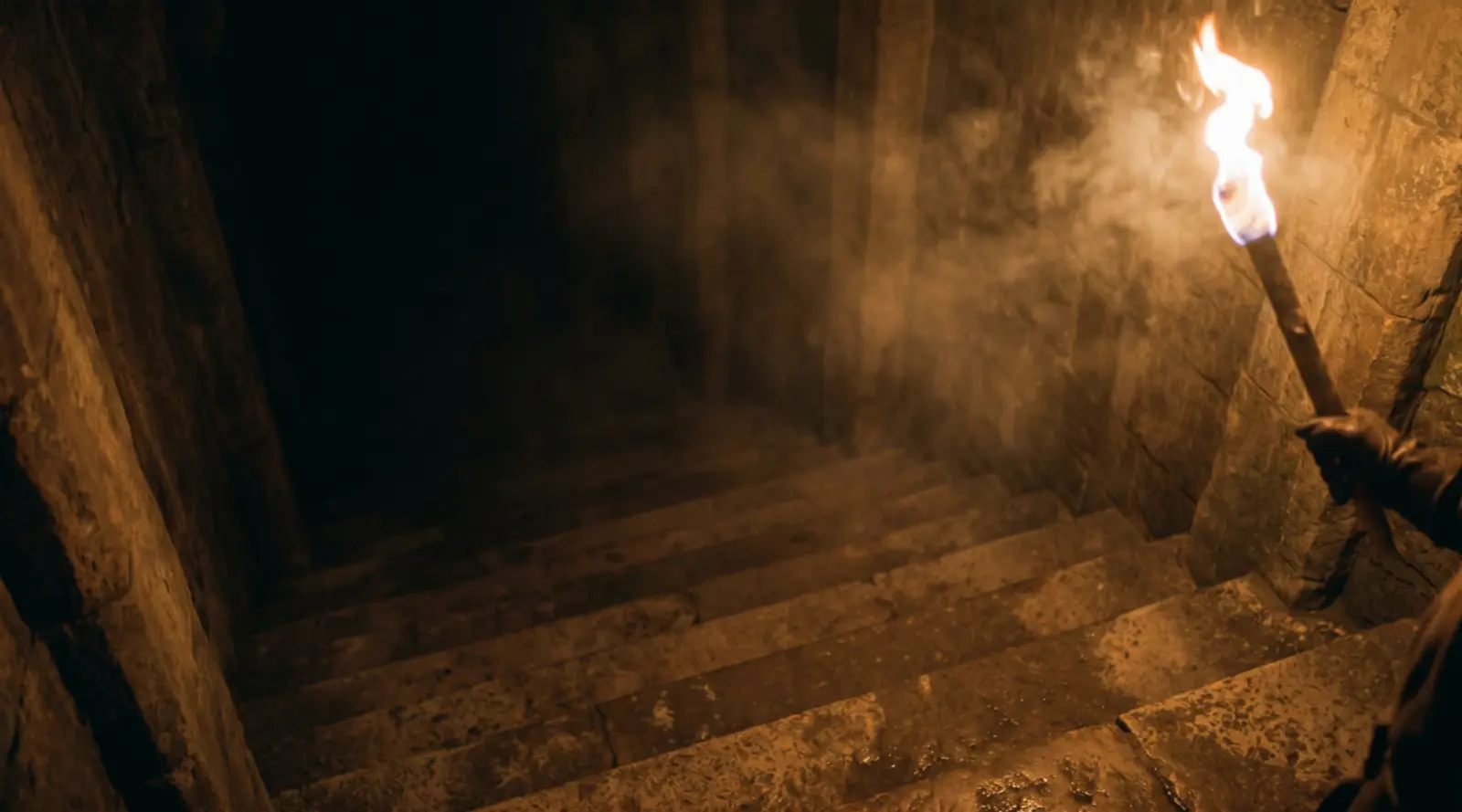
Lighting the torch
EREBOR
Stories of
Antiquity
Go down. There is only one light here — and you are carrying it.
Tell me, O Muse, of that ingenious hero who travelled far and wide
Homer, Odyssey I. Translated by Samuel Butler
after he had sacked the famous town of Troy.
Many cities did he visit, and many were the nations whose manners he learned…
10 years of war.
10 years of the road home.
Of twelve ships, not one will reach Ithaca.
About
These stories outlived
three thousand years.
They will outlive us.
Ancient stories reach us in one of two states: an academic translation buried under a quarter-page of commentary, or a children’s retelling with everything worth reading stripped out of it.
EREBOR is an attempt at a third way. We take the story whole, tell it as a story rather than a monument, and show it — because the Greeks could see these scenes, and all we inherited was the text.
ΣΑΦΗΝΕΙΑ
Clarity
No footnotes in three languages, no school-primer summary. Prose that holds you from the first line.
ΑΛΗΘΕΙΑ
Accuracy
The plots follow the sources: Homer, Apollonius, the tragedians. Quotations are credited and placed by book.
ΟΨΙΣ
Spectacle
Every station is its own shot. Antiquity here looks the way it looked to the people who believed in it.
Collection
Traditions
Traditions of the world before the common era. Greek myth is open, starting with the Odyssey; the others are in preparation.
8th–5th century BC
Homer, Hesiod, Apollonius, the tragedians.
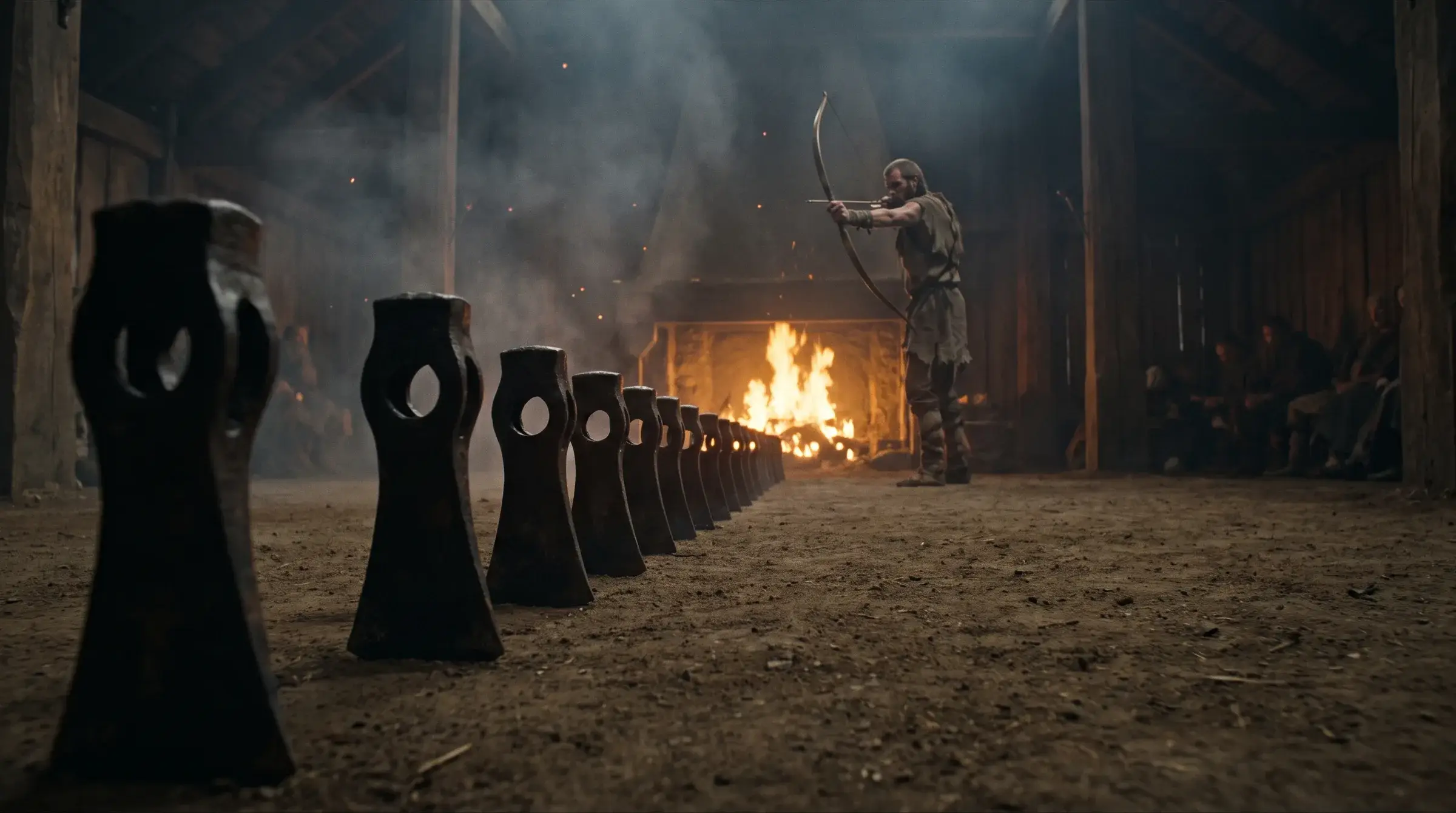
ΟΔΥΣΣΕΙΑ
The Odyssey
Ten years of the road home
10 stations · read
ΙΛΙΑΣ
The Iliad
Fifty-one days of wrath
In preparation
ΑΡΓΟΝΑΥΤΙΚΑ
The Argonauts
Fifty heroes after a golden fleece
In preparation
ΟΡΦΕΥΣ
Orpheus and Eurydice
One glance backward
In preparation
ΘΗΣΕΥΣ
Theseus and the Minotaur
A thread, a labyrinth, a forgotten sail
In preparation
ΠΡΟΜΗΘΕΥΣ
Prometheus
Fire stolen for mankind
In preparation
3rd–1st millennium BC
Osiris and Isis, the voyage of Ra, the Book of the Dead.
In preparation
3rd–2nd millennium BC
Gilgamesh, Enuma Elish, the descent of Inanna.
In preparation
2nd–1st millennium BC
The Rigveda, Indra and Vritra, the Mahabharata.
In preparation
2nd–1st millennium BC
The Avesta, Ahura Mazda and Angra Mainyu.
In preparation
1st millennium BC
The Classic of Mountains and Seas, Yu the Great, the archer Yi.
In preparation